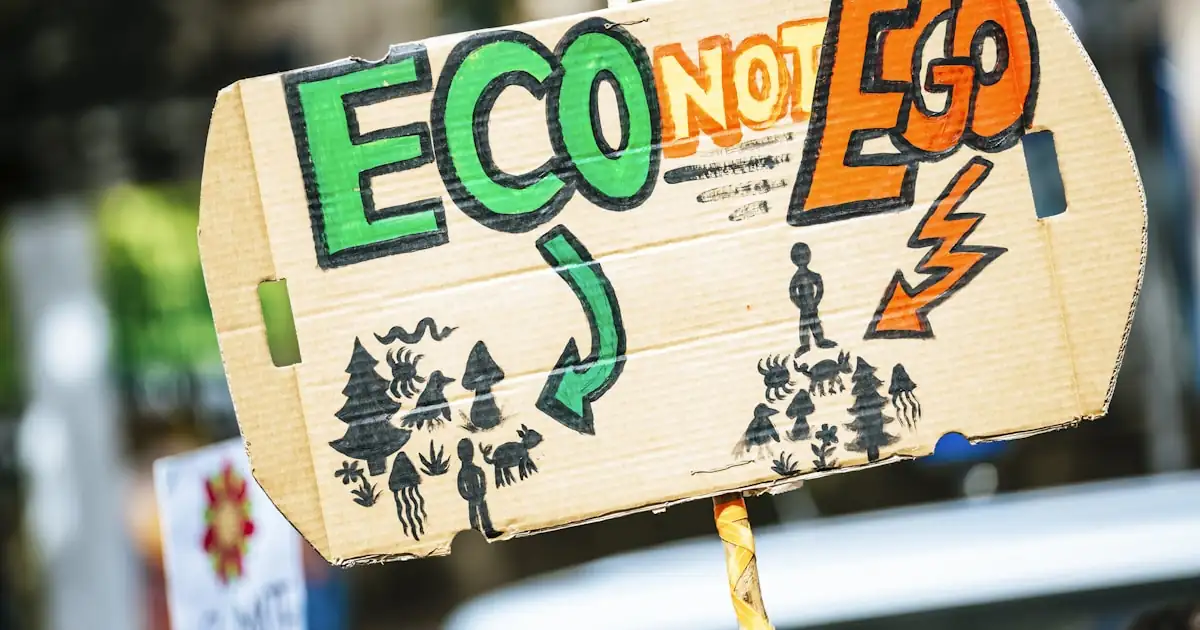
Sustainable Business Practices - A Guide for Bangladeshi Entrepreneurs
Discover how Bangladeshi businesses are adopting sustainable practices to drive growth while protecting the environment and supporting communities.
Table of Contents
As global awareness of environmental issues grows, Bangladeshi businesses are increasingly embracing sustainable practices. This shift isn’t just good for the planet—it’s proving to be excellent for business too.
Why Sustainability Matters
Sustainability in business goes beyond environmental concerns. It encompasses three key pillars:
- Environmental Stewardship - Reducing ecological footprint
- Social Responsibility - Supporting communities and workers
- Economic Viability - Long-term profitability
The Business Case for Sustainability
Research shows that sustainable businesses often outperform their peers:
- 18% higher return on investment
- 25% better employee retention
- 31% increase in customer loyalty
Key Sustainable Practices
Energy Efficiency
Reducing energy consumption is often the first step toward sustainability:
- LED lighting retrofits
- Solar panel installations
- Energy-efficient equipment
- Smart building management systems
Waste Reduction
The textile industry in Bangladesh is leading the way in waste reduction:
“We’ve reduced fabric waste by 40% through better cutting techniques and recycling programs.” — Garment Factory Manager
Water Conservation
Water-intensive industries are implementing conservation measures:
- Rainwater harvesting
- Wastewater treatment and reuse
- Efficient irrigation systems
- Water recycling in manufacturing
Success Stories from Bangladesh
Case Study: Grameen Shakti
Grameen Shakti has installed over 2 million solar home systems across Bangladesh, demonstrating that sustainable energy can be profitable while empowering rural communities.
Case Study: DBL Group
This leading textile manufacturer has:
- Achieved LEED certification for multiple factories
- Reduced water usage by 50%
- Installed 40+ MW of solar capacity
- Recycled 80% of production waste
Getting Started with Sustainability
For entrepreneurs looking to adopt sustainable practices, here’s a roadmap:
Step 1: Assess Your Impact
Conduct an environmental audit to understand your current footprint:
## Environmental Audit Checklist
- [ ] Energy consumption analysis
- [ ] Water usage assessment
- [ ] Waste generation review
- [ ] Supply chain evaluation
- [ ] Transportation impact
Step 2: Set Clear Goals
Define measurable sustainability targets:
| Area | Current | Target | Timeline |
|---|---|---|---|
| Energy | 100 units | 70 units | 2 years |
| Water | 1000L/day | 600L/day | 18 months |
| Waste | 80% landfill | 30% landfill | 3 years |
Step 3: Implement Changes
Start with quick wins:
- Switch to LED lighting
- Implement recycling programs
- Reduce single-use plastics
- Optimize logistics routes
- Train employees on sustainability
Step 4: Measure and Report
Track your progress and communicate it:
- Monthly internal reviews
- Annual sustainability reports
- Third-party certifications
- Stakeholder engagement
Government Initiatives and Support
The Bangladesh government offers several programs to support sustainable business:
- Green Finance - Low-interest loans for eco-friendly projects
- Tax Incentives - Deductions for environmental investments
- Export Benefits - Priority access for certified sustainable exporters
Conclusion
Sustainability is no longer optional—it’s a business imperative. By adopting sustainable practices, Bangladeshi entrepreneurs can reduce costs, attract customers, and contribute to a better future.
Interested in learning more about sustainable business practices? Contact us for resources and consulting recommendations.